How to Pack a Package


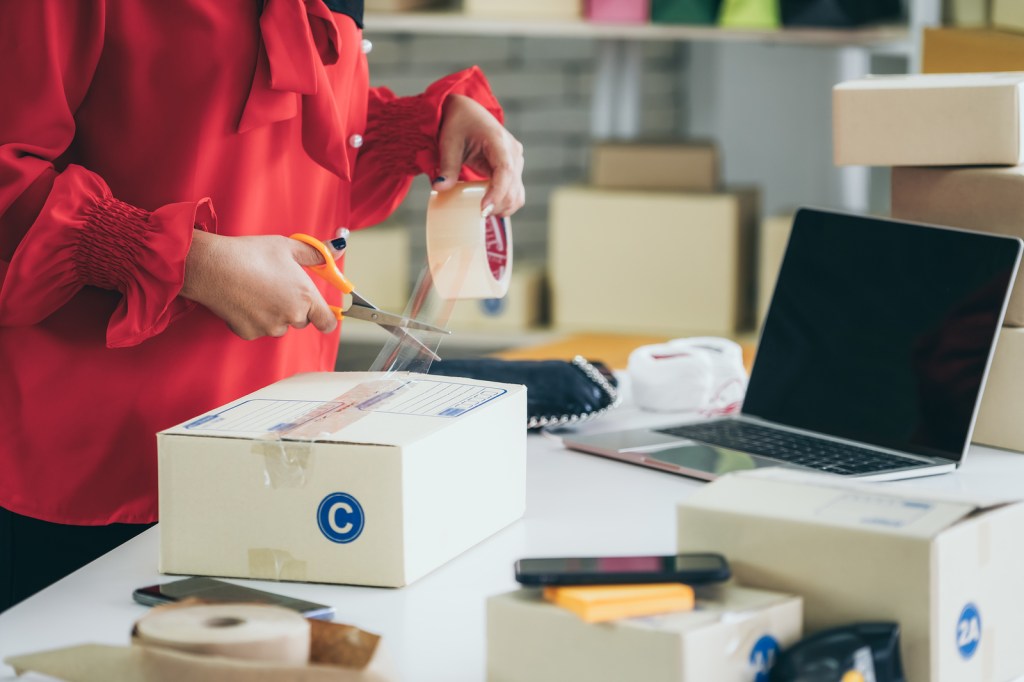
Whether you’re moving a package from one office to another, shipping a product to a customer or sending a gift to your Aunt; the same methods of packing a package should typically apply. The overall goal is to protect the item from point A to point B in its journey, in the most efficient and sustainable way possible. We have some tips that might help you out next time to pack that package in confidence!

Choosing the right material:

  • Quality counts! New boxes are the smartest to put your package in for durability and safety of your item(s). But for a more sustainable approach, recycled boxes are just fine as long as their integrity is still solid and there are no rips or holes.
  • Packing tape is an important part of packing a package. You may want to consider the many different types of tape, and which one serves your purpose of packing best. Typically for a package, it is the best practice to use a 2-inch wide variety of packing tape that reinforces the bottom of the box and all of the seams.
  • Add cushioning and filler material such as: bubble wrap, airbags, newspaper, tissue paper, foam or cardboard inserts when appropriately needed to secure your items within the package and prevent any damage.
  • For understanding shipping requirements and general packaging guidelines, you can reference FedEx’s How to Pack Guideline for more helpful information.

Using the right box/container:

  • Try not to use a box that is too big for your item, rather select one that is just slightly bigger than the item itself. This allows enough room for packing materials to protect your item, but also restricts any unnecessary movement your item in a box that is too big. Plus, the smaller the box or envelope, the less costly it could be to ship your package!
  • Weight matters, the heavier the product, the stronger the packaging material needs to be. When in doubt, err on the side of caution and use a new, sturdy box as opposed to a recycled box, and double-up on the packing tape when sealing the box and all its seams.
  • Be mindful of where the label is placed, ensuring it is clearly legible and in a spot that can be easily seen, especially if the item is fragile.
  • Here are some additional suggestions from Canada Post of outer packaging and packing materials for a safe delivery of your items.

Things to Avoid:

  • Don’t over fill your package, and keep it organized. Heavy and crammed items can cause damage to adjacent objects, and also themselves.
  • Make sure the address is correct and placed properly on the package before shipping to avoid misconceptions of delivery destinations. Also clearly mark the name of the recipient and/or department to ensure the package gets to the appropriate person once it arrives at its destination.
  • Remove all other labels or old addresses from the box, and scratch out any additional markings on the box that cannot be removed with a black marker.

Ship Smart:

  • Research your carrier by comparing services and rates. If you ship packages regularly, consider registering for a business account with your chosen carrier to take advantage of any discounted rates.
  • If your package is heavier than average (55lb or over), give your carrier notice in advance with a “Heavy” label.
  • It is always a good idea to write “fragile” or “this side up” in order for your package to avoid risk of damaging.
  • Keep your package simple and tidy, avoid use of strings and cords that could get caught in shipping machines.

We hope this was helpful and you will be able to pack that package in confidence with the assurance that your items arrive safe & secure!
Tips for Physical Distancing in the Workplace


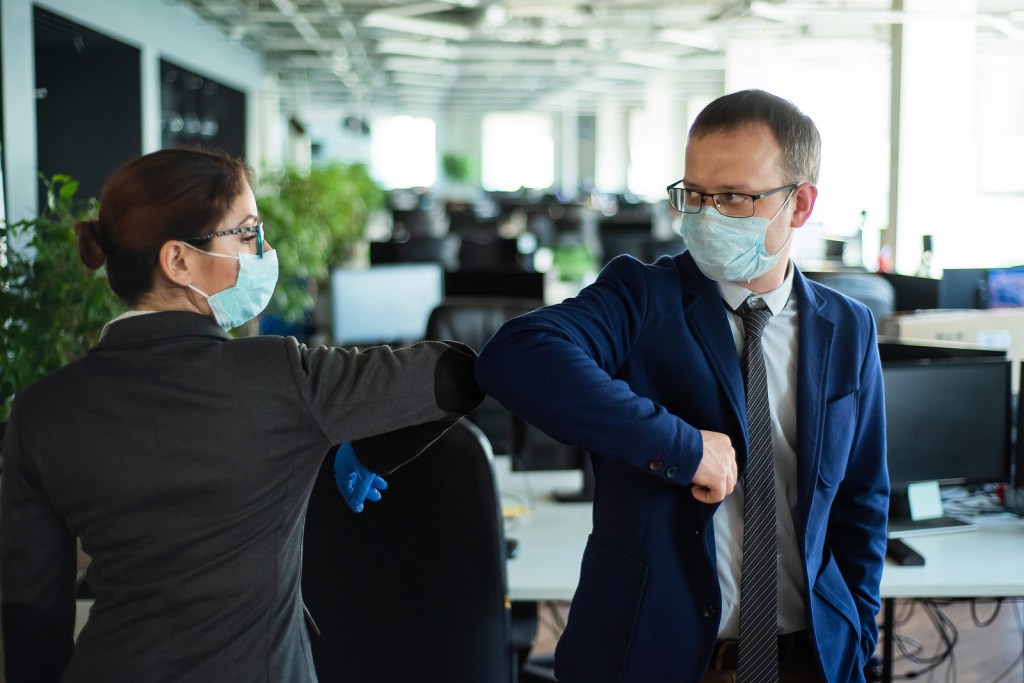
Office workers shake hands when meeting and greet bumping elbows.

Some of us may be re-entering the workplace after several weeks, if not months, of self-isolation at home.  Naturally, both employers and staff are concerned that their work environments are adequately set up to help people to stay safe, while still remaining productive and comfortable at work. 

We wanted to help!  So, we’ve compiled this list from the various health authorities of tips for helping to physically distance in the workplace.

  1. Have sanitizing and PPE supplies (ie. masks) readily available to each employee and in high-touch areas such as by the photocopier and breakroom. 
  2. Post arrows to direct traffic in the office one-way only to avoid unnecessary contact. For example, always have people walk clockwise.  
  3. If in a cubical workspace, have every other person in a workstation to keep physically distant.
  4. Avoid shaking hands with others, and if you feel contact is absolutely necessary, try an elbow bump in lieu of a handshake.   
  5. Stay home if you are feeling unwell and avoid contact with people who are sick.
  6. Discourage the sharing of telephones, keyboards, desks and workstations, and if this can’t be avoided sanitize between users. 
  7. Conduct virtual meetings as an alternative to a face-to-face meeting.
  8. Have only a half capacity of employees be in the office at a time (working on a rotating schedule A/B rotation).
  9. Stagger start times, breaks and lunches to limit any unnecessary contact. 
  10. Suspend all group activities and gatherings for the time being.
  11. Consider bringing back employees as gradual as possible, to limit both the employer and staff from being too overwhelmed with the change in procedures. 
  12. Posting positive notes or motivational messages around the office to show you care about staff’s mental health during this time is also very important.  This can help to reduce any increase in anxiety and stress due to the new environment. 
  13. Where you can’t follow physical distancing, install barriers such as Plexiglas to separate people.
  14. Restrict visitors and limit workplace entry to only essential personnel.
  15. Consider re-arranging the office layout by moving furniture or using visual cues such as tape on the floor to enhance physical distancing.
  16. Have tissues or paper towels conveniently located to be used to turn off light switches, open doors, push buttons, etc.
  17. In the washrooms, mark off any sinks and urinals that are not at least 6-ft away from one another to ensure sufficient physical distancing.

We hope this was helpful and you find comfort in knowing that we are all in this together as we learn how to navigate these challenging times! 

Sources:

https://www.cushmanwakefield.com/en/netherlands/six-feet-office

https://www.canada.ca/en/public-health/services/diseases/2019-novel-coronavirus-infection/mental-health.html

https://www.pshsa.ca/covid-19/rtwp

What Is Antimicrobial?


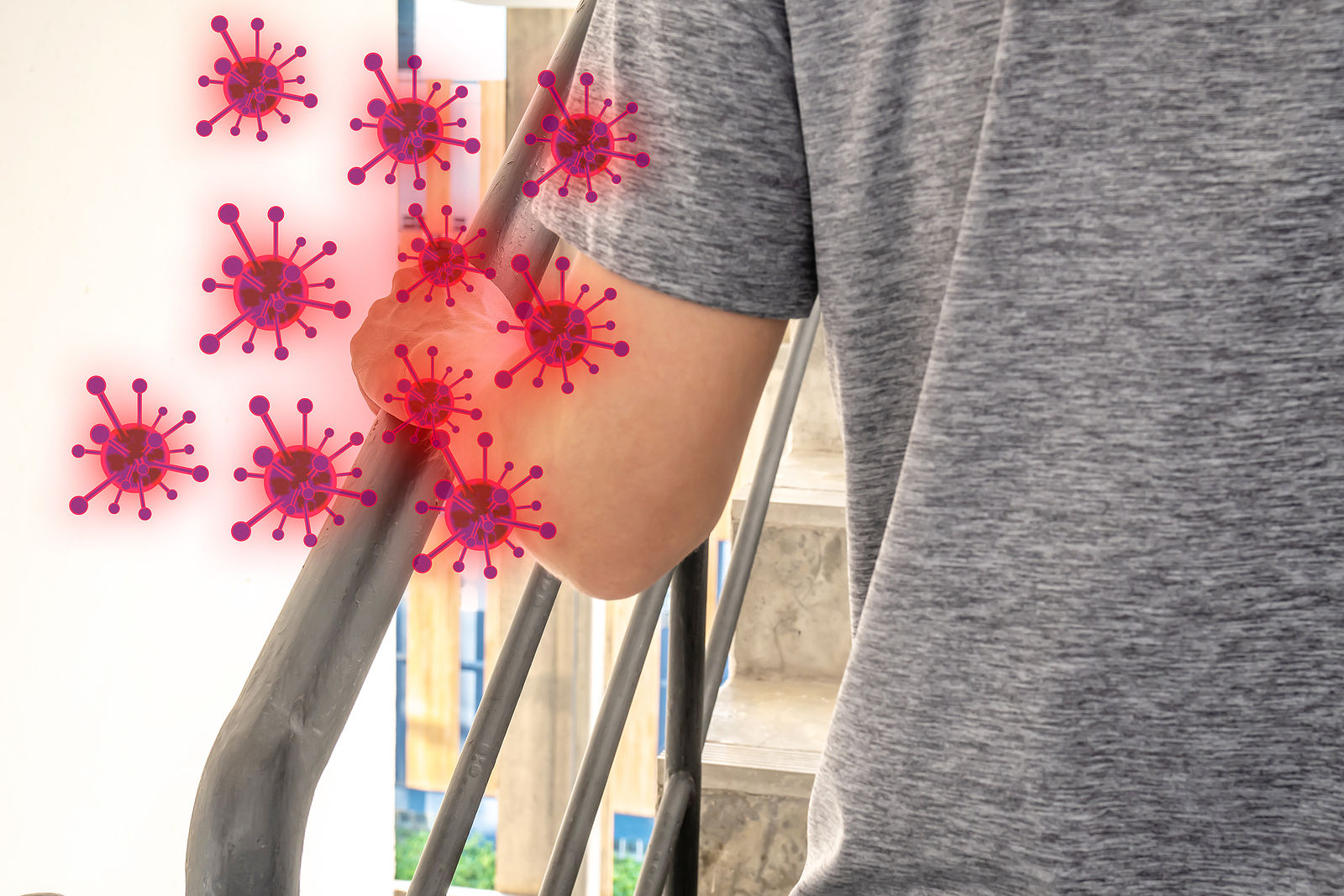
By using products with an antimicrobial protection, not only will you protect yourself from picking up potentially harmful bacteria but you will reduce the spread of such bacteria on any shared surfaces.

It’s a term you’ve heard for years, that we’ve come to understand is something that helps protect us, but what exactly does antimicrobial mean anyways and how does it help us? We’ll answer those questions here!

So, what does antimicrobial mean?

Antimicrobial products kill or slow the spread of bacteria, viruses, protozoans, and fungi such as mold and mildew.1 You can find antimicrobial products everywhere – in your home, workplace or school.

Antimicrobial technology typically contains one of three active ingredients2 :

  1. Silver ion – used in a wide range of materials and applications including medical coatings, plastics and food-contact products
  2. Zinc – which is commonly used as an antifungal
  3. Copper – used as a preservative on hard surfaces

Which ingredient that is added is determined by the product type, where in the world it will be sold, and what efficacy claims the manufacturer is looking to make.

But how does it help protect me?

By using products with an antimicrobial protection, not only will you protect yourself from picking up potentially harmful bacteria but you will reduce the spread of such bacteria on any shared surfaces. In addition, the enhanced protection will also help extend the life of your product by protecting it from deteriorating quicker, staining and developing odours. This protection also doesn’t wash off or wear away, so you can enjoy the benefit of having continuous antimicrobial protection.