Working in The Heat: Signs and Symptoms


Everyone looks forward to the summer after the frigid conditions we experience in Canada. The beautiful weather and the leisure time brings the best out of people, however, the summer months can also bring on heat-related illnesses. These include anything from dehydration, nausea and fatigue to the rare, but more serious, heat stroke. It is common for temperatures to rise in certain workplaces, particularly outdoor professions or where there is heat-generating equipment. This makes it difficult to complete tasks comfortably or adequately. For that reason, it is vital to be aware of the various heat-related signs and symptoms to help you stay protected!

Here is what you should look for:

Heat Cramps:

Heat cramps are painful, brief muscle cramps. Muscles may spasm or jerk involuntarily typically in your calves, thighs, and shoulders. Heat cramps can occur during exercise or work in a hot environment.

Symptoms of Heat Cramps- Muscle spasms that are:

  • Painful
  • Involuntary
  • Brief
  • Intermittent
  • Usually self-limited (go away on their own)

Treatment for Heat Cramps:

  • Rest in a cool place
  • Drink cold water or a sports drink that contains electrolytes and salt

Heat Exhaustion:

Heat exhaustion is a heat-related illness that can occur after you’ve been exposed to high temperatures and it often is accompanied by dehydration. There are two kinds of heat exhaustion that you need to be aware of including water depletion and salt depletion. Signs of water depletion include excessive thirst, weakness, headache, and loss of consciousness. Signs of salt depletion include nausea and vomiting, muscle cramps, and dizziness.

Symptoms of Heat Exhaustion:

  • Confusion
  • Dark-coloured urine (a sign of dehydration)
  • Dizziness
  • Fainting
  • Fatigue
  • Headache
  • Muscle or abdominal cramps
  • Nausea, vomiting, or diarrhea
  • Pale skin
  • Profuse sweating
  • Rapid heartbeat

Treatment for Heat Exhaustion:

  • Get out of the heat and avoid it
  • Drink plenty of water or fluids that contain electrolytes and salt
  • Remove any tight or unnecessary clothing
  • Take a cool shower, bath, or sponge bath
  • Apply other cooling measures such as fans or ice towels
Heat Stroke:

Heat stroke is the most severe form of heat injury that often occurs as a progression from milder heat-related illnesses, however, it can strike even if you have no previous signs of heat injury. Heat stroke results from prolonged exposure to high temperatures – usually in combination with dehydration – which leads to failure of the body’s temperature control system. The medical definition of heat stroke is a core body temperature greater than 104 degrees fahrenheit, with complications involving the central nervous system.

Symptoms of Heat Stroke:

  • Disorientation
  • Throbbing headache
  • Dizziness and light-headedness
  • Lack of sweating despite the heat
  • Red, hot, and dry skin
  • Muscle weakness or cramps
  • Nausea and vomiting
  • Rapid heartbeat, which may be either strong or weak
  • Rapid, shallow breathing
  • Behavioural changes such as confusion, disorientation, or staggering
  • Seizures
  • Unconsciousness

Treatments for Heat Stroke:

  • Fan air over the patient while wetting his or her skin with water from a sponge or garden hose
  • Apply ice packs to the patient’s armpits, groin, neck, and back (These areas are rich with blood vessels that are close to the skin and cooling them may reduce body temperature)
  • Immerse the patient in cool water or ice bath to help cool the body

Protect Yourself:

If you, or anyone else, have any symptoms of heat-related illnesses, it’s essential to immediately get out of the heat, stay hydrated and rest in a cool or shady place. To prevent these injuries from occurring make sure to use a “buddy” system to watch for signs and symptoms of co-workers. If affected, try to avoid hot weather and heavy exercise until your doctor tells you that it’s safe to resume your normal activities!
Ergonomic Benefits of Wireless Headsets


From office chairs to telephone headsets, ergonomics is prevalent. Nevertheless, you might be wondering how wireless headsets can bring users a variety of benefits that improve workplace wellness. So what are the main perks of using a wireless headset?

BETTER MOVEMENT

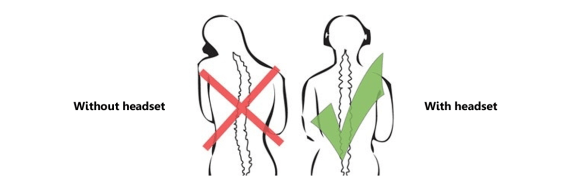
Using a wireless headset as part of your daily work routine will help improve your posture by freeing you to move and sit more naturally. It eliminates the need to hold the telephone in an uncomfortable position and provides the freedom to roam which results in 35% less muscle tension than handset users.

REDUCES STRAIN

Neck and upper back muscle tension are one of the most common ailments of office workers. Results from a commissioned study conducted at Santa Clara Valley Medical Center in San Jose, CA, provide strong evidence that office workers can reduce neck, shoulder and upper back muscle tension as much as 41% by using a headset. That is a significant improvement for just wearing a headset! 


INCREASE PRODUCTIVITY

An additional study by H.B. Maynard & Co., Inc. concluded that adding hands-free headsets to office telephones improved productivity and efficiency by up to 43 percent. By making your workstation more comfortable and freeing up your hands for other tasks, you’ll find that you can get more work done each day.

A wireless headset will also enable you to remain productive from home or out of the office.

SOUND QUALITY

With the proper microphone placement (1-2 finger widths from the corner of your mouth) wireless headsets have reinvented sound and speech perception. A lot of headsets now have noise-cancelling options that detect and analyze the pattern of incoming sound which generates an “anti-noise” mirror signal to cancel it out for clear conversations. As a result, headsets give users a better sound experience that is personalized to their individual needs and reciprocated on the other end. 

REDUCES WORKPLACE INJURIES

It’s impressive to see the difference a headset can make for the end users. A Swedish field study analyzed a hundred people and showed that for 26% of respondents, neck and back pains “totally disappeared” and for 52% of respondents, inconvenience “diminished significantly” after they started using a headset. It is clear that headsets reduce the chances of work-related physical disorders which also results in reduced workers’ compensation cost! 


This new evidence confirms that headsets are a cost-effective, preventative solution for the whole company! 


National Clean Out Your Refrigerator Day!


While not enormously popular, National Clean Out Your Refrigerator Day falls on November 15 and we think it’s the ideal time to make sure it’s up to your workplace’s cleanliness standards!

As a shared space the fridge should be regularly cleaned and organized . So how should your workplace prepare? Here are a few steps that can make the process less daunting for everyone:

Keep the fridge organized:

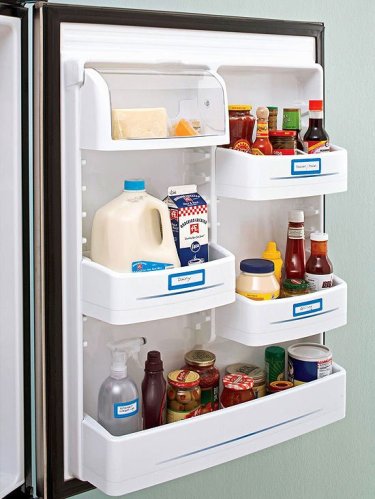
The secret to a clean fridge is an organized fridge! Make sure there is a designated area for the communal items such as cream and butter as well as for personal lunches. Likewise, label all sections in the fridge. If possible include dates on your labels for “best before” guidelines.

Establish best practices & guidelines for fridge cleaning:

A fair and simple policy should include all employees in a rotating weekly cleaning schedule. This will keep maintenance fair and regular. If there is more than one fridge in the office divide the tasks accordingly by each department. Simple “rules” as listed below can help avoid sticky messes:

Properly clean your fridge:

Scheduling occasional fridge clean days should be welcomed and encouraged. While it can initially take a long-time (when was the last time you cleaned your fridge?!) – if your workplace sets a regular cleaning schedule the time necessary to clean should decrease. Eventually – if everyone follows the above mentioned “best cleaning practices” then there might not be a mess to clean up in at all!

Maintain good fridge etiquette:

Food past it’s expiry date? Toss it. Out of condiments or cream for coffee? Add it to the office shopping list. Be proactive in making sure that everyone at your workplace is responsible for their own items. No one want’s the below policy where food is chucked out at the end of day because it wasn’t eaten or labelled properly!