The Essentials of First Aid and Safety

Featured


Welcome to the battlefield of the modern workplace – where deadlines loom, coffee flows, and the occasional paper cut can bring a whole department to a standstill. But fear not, intrepid office warriors, for in the arsenal of workplace survival, there stands a reliable guardian: the first aid kit.

Now, before we dive headfirst into the fray, let’s arm ourselves with knowledge. What exactly should be in our trusty first aid kit? According to the experts our kits should be stocked with essentials such as:

  1. Bandages (various sizes)
  2. Adhesive tape
  3. Antiseptic wipes
  4. Gauze pads
  5. Tweezers
  6. Scissors
  7. Pain relievers (like Tylenol)
  8. Thermometer
  9. Disposable gloves
  10. CPR mask
  11. First aid manual

Armed with these supplies, you’ll be ready to tackle any workplace mishap – from minor cuts and bruises to more serious injuries.

But where should this life-saving kit reside in our workplace fortress? Ideally, it should be stationed in a central location that’s easily accessible to all. The break room or kitchen is a popular choice, as it’s a hub of activity where employees frequently gather. Plus, it’s a discreet location that won’t draw undue attention in case of an emergency.

Now, onto the added tips to fortify our defenses and ensure workplace safety reigns supreme:

  1. Regular Inspections: Our first aid kit needs regular check-ups to ensure it’s ready to go. Designate someone in the office to inspect the kit monthly, replenishing any supplies that have been used or expired.
  2. Emergency Procedures: It’s one thing to have a first aid kit, but it’s another to know how to use it. Provide training for employees on basic first aid techniques and emergency procedures, ensuring everyone knows what to do in case of an injury or medical emergency.
  3. Communication is Key: Make sure all employees know the location of the first aid kit and how to access it. Display clear signage indicating its whereabouts, and consider including emergency contact numbers and procedures nearby for easy reference.
  4. Stay Prepared: In addition to a first aid kit, consider other safety measures such as fire extinguishers, emergency exits, and AEDs (automated external defibrillators) if appropriate for your workplace environment.

As the saying goes, it’s better to prevent than to cure. So let’s arm ourselves with knowledge, stock our first aid kits, and stand ready to face whatever challenges the workplace may throw our way. Together, we can ensure that safety and preparedness are always at the forefront – because in the battle of work vs. safety, there can be no compromise.

Looking to stock-up on your First Aid Supplies? Look no further, We have Dealers across Canada to help! https://canadianworkplacesolutions.ca/locate-a-dealer
Working in The Heat: Signs and Symptoms


Everyone looks forward to the summer after the frigid conditions we experience in Canada. The beautiful weather and the leisure time brings the best out of people, however, the summer months can also bring on heat-related illnesses. These include anything from dehydration, nausea and fatigue to the rare, but more serious, heat stroke. It is common for temperatures to rise in certain workplaces, particularly outdoor professions or where there is heat-generating equipment. This makes it difficult to complete tasks comfortably or adequately. For that reason, it is vital to be aware of the various heat-related signs and symptoms to help you stay protected!

Here is what you should look for:

Heat Cramps:

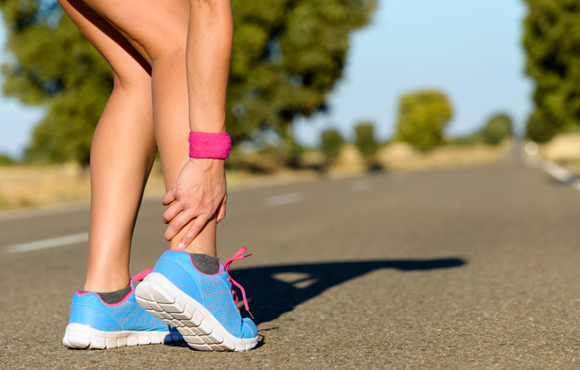
Heat cramps are painful, brief muscle cramps. Muscles may spasm or jerk involuntarily typically in your calves, thighs, and shoulders. Heat cramps can occur during exercise or work in a hot environment.

Symptoms of Heat Cramps- Muscle spasms that are:

  • Painful
  • Involuntary
  • Brief
  • Intermittent
  • Usually self-limited (go away on their own)

Treatment for Heat Cramps:

  • Rest in a cool place
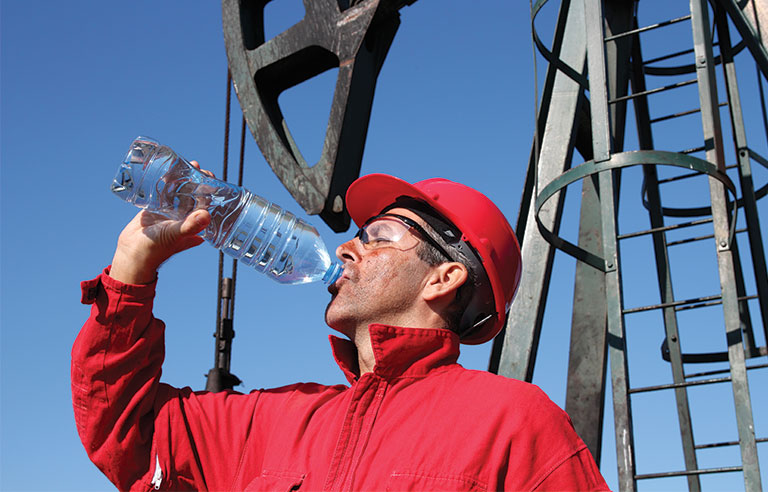
  • Drink cold water or a sports drink that contains electrolytes and salt

Heat Exhaustion:

Heat exhaustion is a heat-related illness that can occur after you’ve been exposed to high temperatures and it often is accompanied by dehydration. There are two kinds of heat exhaustion that you need to be aware of including water depletion and salt depletion. Signs of water depletion include excessive thirst, weakness, headache, and loss of consciousness. Signs of salt depletion include nausea and vomiting, muscle cramps, and dizziness.

Symptoms of Heat Exhaustion:

  • Confusion
  • Dark-coloured urine (a sign of dehydration)
  • Dizziness
  • Fainting
  • Fatigue
  • Headache
  • Muscle or abdominal cramps
  • Nausea, vomiting, or diarrhea
  • Pale skin
  • Profuse sweating
  • Rapid heartbeat

Treatment for Heat Exhaustion:

  • Get out of the heat and avoid it
  • Drink plenty of water or fluids that contain electrolytes and salt
  • Remove any tight or unnecessary clothing
  • Take a cool shower, bath, or sponge bath
  • Apply other cooling measures such as fans or ice towels

Heat Stroke:

Heat stroke is the most severe form of heat injury that often occurs as a progression from milder heat-related illnesses, however, it can strike even if you have no previous signs of heat injury. Heat stroke results from prolonged exposure to high temperatures – usually in combination with dehydration – which leads to failure of the body’s temperature control system. The medical definition of heat stroke is a core body temperature greater than 104 degrees fahrenheit, with complications involving the central nervous system.

Symptoms of Heat Stroke:

  • Disorientation
  • Throbbing headache
  • Dizziness and light-headedness
  • Lack of sweating despite the heat
  • Red, hot, and dry skin
  • Muscle weakness or cramps
  • Nausea and vomiting
  • Rapid heartbeat, which may be either strong or weak
  • Rapid, shallow breathing
  • Behavioural changes such as confusion, disorientation, or staggering
  • Seizures
  • Unconsciousness

Treatments for Heat Stroke:

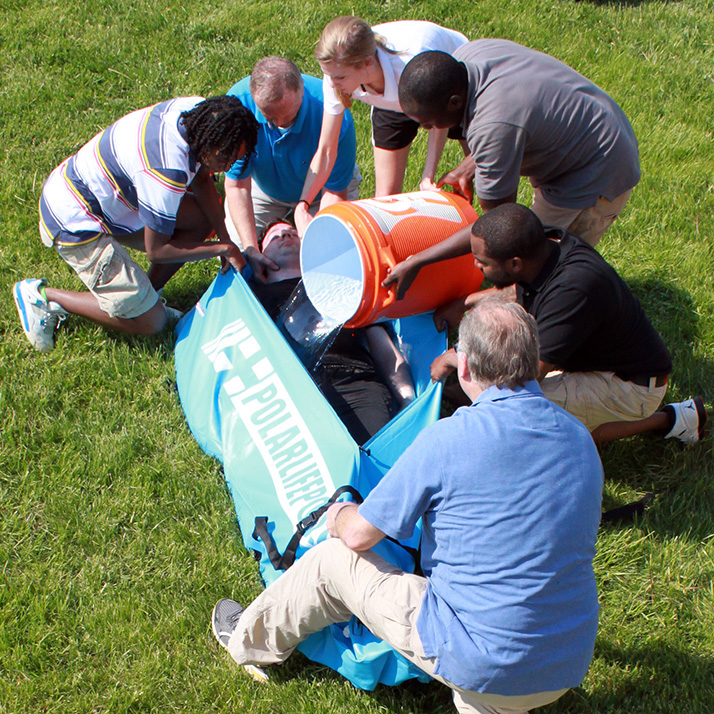
  • Fan air over the patient while wetting his or her skin with water from a sponge or garden hose
  • Apply ice packs to the patient’s armpits, groin, neck, and back (These areas are rich with blood vessels that are close to the skin and cooling them may reduce body temperature)
  • Immerse the patient in cool water or ice bath to help cool the body

Protect Yourself:

If you, or anyone else, have any symptoms of heat-related illnesses, it’s essential to immediately get out of the heat, stay hydrated and rest in a cool or shady place. To prevent these injuries from occurring make sure to use a “buddy” system to watch for signs and symptoms of co-workers. If affected, try to avoid hot weather and heavy exercise until your doctor tells you that it’s safe to resume your normal activities!