How to Write a Proper Memo


May 21st is #NationalMemoDay

Even with all the technology available to us today, surprisingly, effective memo-writing remains an essential skill in interoffice communications. Memos may be delivered via e-mail, but they still should follow the same professional and formatting standards as those printed on paper.

Called memos for short, memorandums are routinely used within an organization to communicate a variety of ideas – from a new sick day policy, to short reports and proposals. Among their many uses, memos confirm conversations, share ideas, instruct employees, and communicate policies. Because memos either request or share important information, they need to be carefully and concisely written so that the message is clear and accurate. A poorly written memo could confuse readers, offend employees, and create a loss of time. Typically, memos are short and communicate a single subject. If you have two subjects to cover, consider writing two separate memos.

Helpful hints:

  • Think of your readers and their needs.
  • Be specific when making your points.
  • Make your subject line short and descriptive.
  • Use bullets or numbers to clarify points or lists.
  • Cover only a single subject.
  • Memos should be short and concise; try to keep them to one page.
  • Proofread, checking for spelling and grammatical errors.

Writing a memo is not difficult and does not require much time. Just remember that a memo is in writing, which means it is permanently documented. Your memo represents you and your company; any glaring errors may cast you in a negative light among your peers and subordinates.

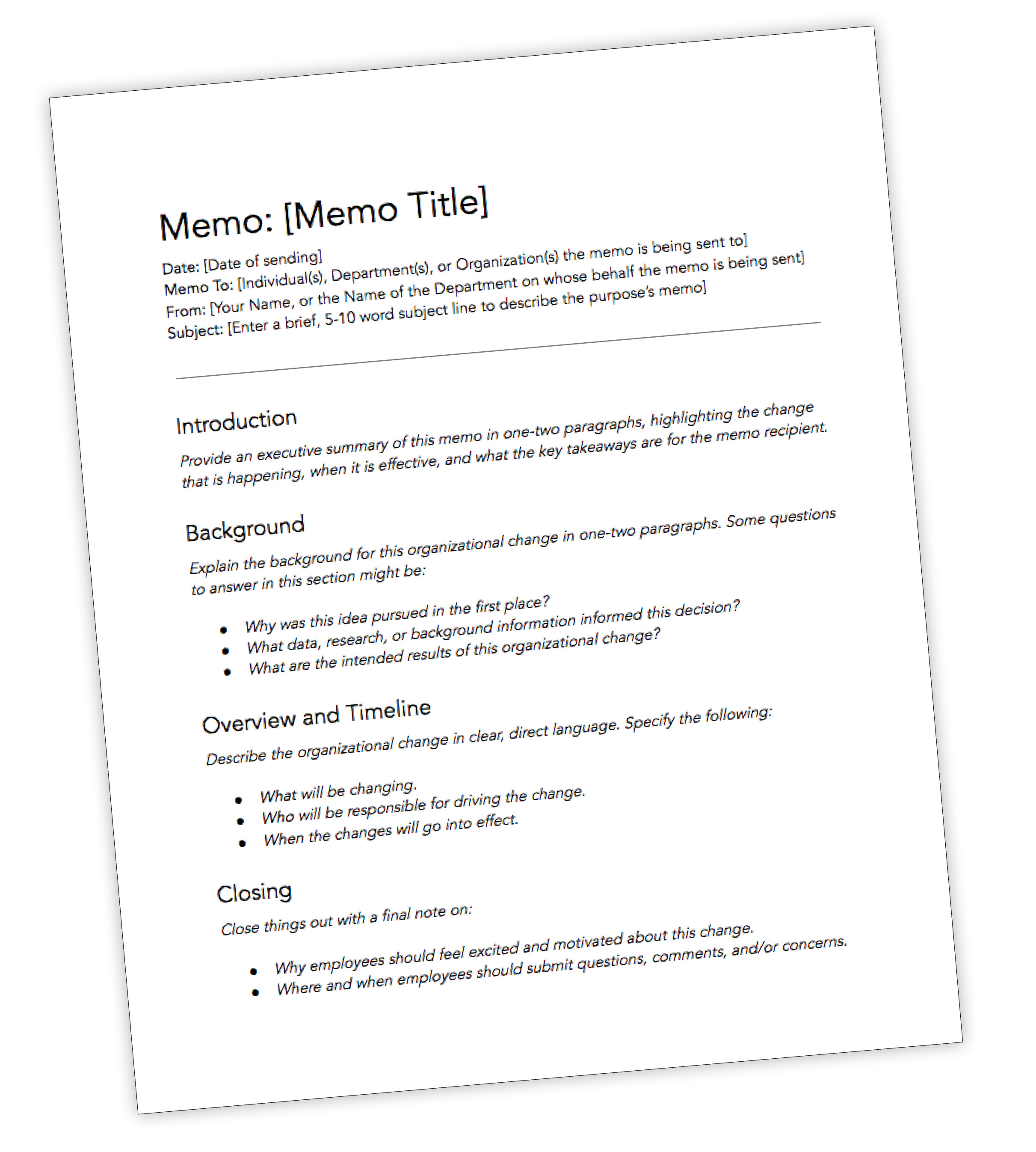
The Parts of a Business Memo:

  1. Date
  2. To
  3. From
  4. Subject
  5. Body
Memo Example

Source: https://www.universalclass.com/articles/writing/business-writing/how-to-write-an-effective-business-memo.htm


Ready to start creating memos? 

We carry many styles of notebooks to help you get started jotting down your notes!

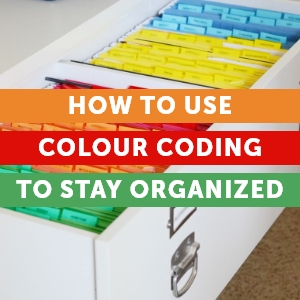
How to use colour coding to stay organized


When trying to create order within your workspace, a good place to start is with developing a colour code system to help keep your notes, files, appointments, etc all organized. Spend less time trying to decide how to organize something at the time, by doing just a bit of preplanning ahead so you will gain a tremendous amount of time in the end.

For example, you can use a colour coding system on such every day tasks as:

  1. Selecting file folder colours – assign colours by categories and/ or departments
  2. Creating your to do list on your calendar – for example use red for due dates, blue for brainstorming, green for budgeting, pink for social events
  3. Taking notes – colour coding notes helps your brain to make connections previously overlooked
  4. Sorting through emails – assign colours by sender or subjects to quickly identify what needs attention

To get started, let’s first understand the psychological properties of colours in order to help you decide which colours to use in your new colour coded organization system!

RED

  • Associated with: Energy and Power
  • When to use: Alert coworkers of urgent information

ORANGE

  • Associated with: Luxury, wisdom and wealth
  • When to use: New or long-term projects that focus on the future, or improving your business

YELLOW

  • Associated with: Hope, happiness and positivity
  • When to use: Production tasks or to communicate new ideas

GREEN

  • Associated with: Stability and healing
  • When to use: Financial tasks and environmental initiatives

BLUE

  • Associated with: Loyalty, intelligence and focus
  • When to use: Brainstorming, presenting and networking

PURPLE

  • Associated with: Royalty and luxury
  • When to use: Creative tasks

PINK

  • Associated with: Compassion and love
  • When to use: Personal labels and special occasions

BLACK

  • Associated with: Prestige and power
  • When to use: To make other colours stand out and for formal events

WHITE

  • Associated with: Purity, success and perfection
  • When to use: Marketing tasks, big meetings and announcements


Ready to get organized? Shop our online store for all your supplies!


How to look your best on video calls


For many of us, looking natural on video doesn’t come very easy. Now throw in the added element of being live on a video call, and that adds a whole other level of awkwardness!

Here is a great video that provides some excellent tips for prepping for a video call, and then how to ensure you appear as your best self during the video call.


We hope you found these tips helpful and will use them on your next video call!  Leave us a note in the comments to let us know how you’ve improved your video calls, or if you have any tips that you can share!