
Most Common Germ Spreading Culprits in the Workplace


Most common germ spreading culprits in the workplace

One study found that coworkers spread viruses to 50% of workplace surfaces within 4 hours of arriving at work due to shared contact with those surfaces.  Help reduce the risk of illness by being aware of the more common surfaces in the workplace where germs are spread:

  1. Desk.  This is one of the least hygienic areas in the workplace.  The average desk has 400 times more bacteria than a toilet seat! 
  2. Hands.  It is common courtesy when in a business environment to greet or say good-bye to someone with a handshake. During peak virus seasons, it is becoming perfectly acceptable to decline a handshake with an explanation that you’re concerned about spreading germs.  In fact, many will admire you for your thoughtfulness!  A wave and a nice smile can be just as welcoming. 
  3. Door Handles. This one is an obvious one, but did you also know that 1 in 4 office workers don’t wash their hands after using the washroom! Yikes!  Use your elbow to open doors, or paper towel when leaving a washroom.  
  4. Keyboards & Mice.  Sharing desk equipment greatly increases the spread of germs.  Reduce the risk by ensuring each person has their own set of regularly used, high-touch desk equipment.
  5. Phones.  These are the most contaminated surfaces in the workplace.  Ensure these are cleaned on a regularly basis to help reduce the risk of picking up any harmful germs.  
  6. Vending Machines.  You could be grabbing a whole lot more with that 3 o’clock snack craving from the vending machine!  And it’s not just the buttons you need to be concerned with, the door where you reach in to grab your goodies is also a major culprit. 
  7. Drinking Fountains.  Sure, we’ve been taught since we were children to not put our mouths on the drinking fountain, but even without making any contact you could be ingesting more than just water in your drinking glass.    
  8. Printers and Fax Machines.  With the average photocopier being touched up to 300 times each day, you’ll want to ensure these machines are being disinfected daily, or even better, keep a bottle of disinfecting wipes nearby the machines so people can clean after each use. 
  9. Elevator Buttons.  Hopefully you get lucky and jump on an elevator with someone already going to your same floor.  Otherwise, there’s not much you can do to avoid having to touch the buttons.  You could attempt to use your elbow, or better yet, take the stairs for an overall more healthy solution. 
  10. Railings.  Railings are in place to help keep people safe, but often the thought of grabbing on to one can seem scary!  Sometimes you just can’t avoid having to hold the railing, so just be sure to wash your hands as soon as you can after. 
  11. Refrigerator.  It’s not just the refrigerator handle you need to ensure is cleaned regularly.  Keep an eye as to what’s inside the refrigerator for any built-up bacteria or mould that could cross-contaminate and cause illness.

We can all do our part to ensuring our workplaces stay safe and healthy.  Knowing what areas to be mindful of is the first step to reducing the spread of germs to others.  Have a look around your office and see if you can identify any other areas that could be potential areas for concern!

7 Reasons to Buy Canadian-Made


Did you know that 45% of consumers will go out of their way to buy Canadian-made products?  Why would someone want to go out of their way just to buy a Canadian made product you ask?  Well, we’ve compiled this list of some really good reasons!

  1. Creating and giving jobs back to Canadians, thus keeping our dollars at home.  Independent Canadian businesses provide 77% of all private jobs in Canada.[1]
  2. Quality control.  Canadian manufacturers are highly regarded for their strict quality control standards. “Made in Canada” has earned its reputation of being high quality and durable.  
     
  3. Direct communication.  The barriers that once existed between Canadian manufacturer and consumer are diminishing and never before has it been easier to directly communicate with the manufacturer to have any questions or requests answered. 
  4. Products from Canada produce less carbon footprint for you to receive the goods, which is a tremendous aide to the environment. For example, a product made in Canada requires 25 times less transportation than a similar product made overseas. 2
  5. No duty or brokerage fees are needed to bring the product into the country, which would otherwise need to be added to the cost of the product and therefore potentially making the product more expensive than its Canadian-made equivalent. 
  6. Health and safety are carefully regulated in Canada, as opposed to overseas plants.  We can feel good about buying products made in Canada!
  7. Supports our communities.  When we buy Canadian we are contributing to the enrichment of our communities and could be contributing to the survival of a struggling local family business. 

Ready to start buying more Canadian-made products?  Be sure to look for products from these Canadian manufacturers when browsing our catalogue or shopping online!

GemexDavis Group
TOPS Office ProductsAvery
Continental Filing SystemsHilroy
Empack3M
Global Furniture

Sources:

[1] http://canadianentrepreneurtraining.com/six-statistics-about-small-business-and-entrepreneurship-in-canada/

2 https://buycanadianfirst.ca/why-buy-canadian-first

How to Pack a Package


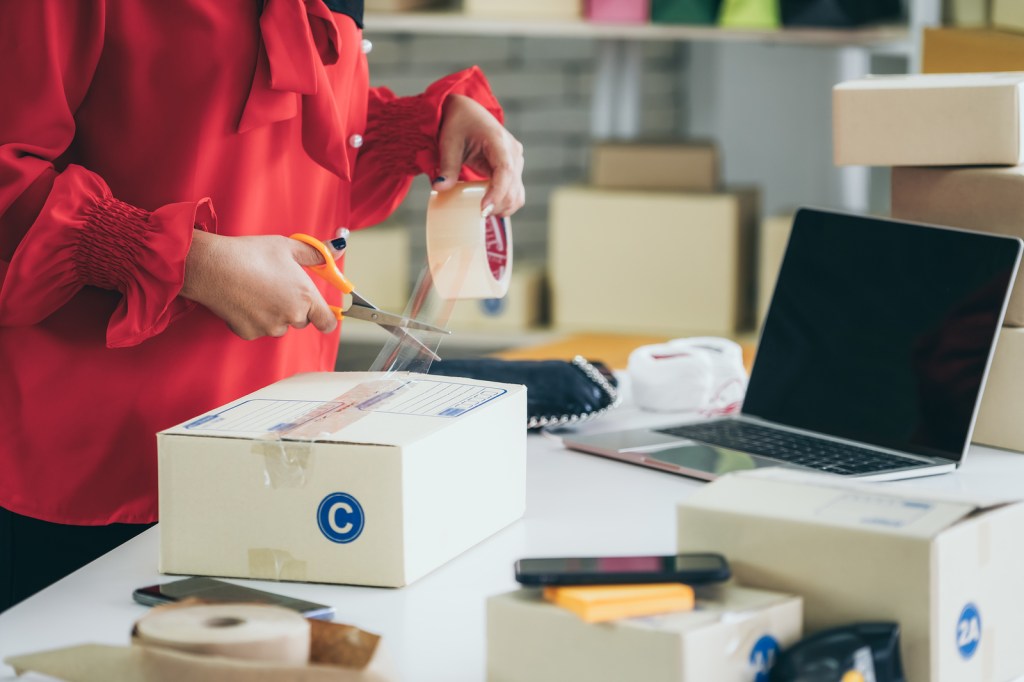
Whether you’re moving a package from one office to another, shipping a product to a customer or sending a gift to your Aunt; the same methods of packing a package should typically apply. The overall goal is to protect the item from point A to point B in its journey, in the most efficient and sustainable way possible. We have some tips that might help you out next time to pack that package in confidence!

Choosing the right material:

  • Quality counts! New boxes are the smartest to put your package in for durability and safety of your item(s). But for a more sustainable approach, recycled boxes are just fine as long as their integrity is still solid and there are no rips or holes.
  • Packing tape is an important part of packing a package. You may want to consider the many different types of tape, and which one serves your purpose of packing best. Typically for a package, it is the best practice to use a 2-inch wide variety of packing tape that reinforces the bottom of the box and all of the seams.
  • Add cushioning and filler material such as: bubble wrap, airbags, newspaper, tissue paper, foam or cardboard inserts when appropriately needed to secure your items within the package and prevent any damage.
  • For understanding shipping requirements and general packaging guidelines, you can reference FedEx’s How to Pack Guideline for more helpful information.

Using the right box/container:

  • Try not to use a box that is too big for your item, rather select one that is just slightly bigger than the item itself. This allows enough room for packing materials to protect your item, but also restricts any unnecessary movement your item in a box that is too big. Plus, the smaller the box or envelope, the less costly it could be to ship your package!
  • Weight matters, the heavier the product, the stronger the packaging material needs to be. When in doubt, err on the side of caution and use a new, sturdy box as opposed to a recycled box, and double-up on the packing tape when sealing the box and all its seams.
  • Be mindful of where the label is placed, ensuring it is clearly legible and in a spot that can be easily seen, especially if the item is fragile.
  • Here are some additional suggestions from Canada Post of outer packaging and packing materials for a safe delivery of your items.

Things to Avoid:

  • Don’t over fill your package, and keep it organized. Heavy and crammed items can cause damage to adjacent objects, and also themselves.
  • Make sure the address is correct and placed properly on the package before shipping to avoid misconceptions of delivery destinations. Also clearly mark the name of the recipient and/or department to ensure the package gets to the appropriate person once it arrives at its destination.
  • Remove all other labels or old addresses from the box, and scratch out any additional markings on the box that cannot be removed with a black marker.

Ship Smart:

  • Research your carrier by comparing services and rates. If you ship packages regularly, consider registering for a business account with your chosen carrier to take advantage of any discounted rates.
  • If your package is heavier than average (55lb or over), give your carrier notice in advance with a “Heavy” label.
  • It is always a good idea to write “fragile” or “this side up” in order for your package to avoid risk of damaging.
  • Keep your package simple and tidy, avoid use of strings and cords that could get caught in shipping machines.

We hope this was helpful and you will be able to pack that package in confidence with the assurance that your items arrive safe & secure!