How do you know if you’re sitting too much?


You’ve been sitting for a while, but you can’t really remember how long it’s been. If that’s the case then, chances are, you’ve been sitting too long!
Too Much Sitting

But things aren’t always so cut-and-dry. You know that excessive sitting is referred to as the sitting disease, a condition that increases your risk of cardiovascular disease, cancer and a slew of other illnesses. You just aren’t sure if you’ve been sitting too long. So, time to develop a little self-awareness and create new habits before things get out of hand.

Signs you’re sitting too much:

You just feel… blah. Time to get the blood pumping! Your body has been stagnant too long and is asking you for a little movement.

You’re feeling down. Excessive sitting increases loneliness and depression. And it’s easy to understand why: sitting alone is isolating. So get up, take a walk around the office, and say hello to a colleague.

You feel on-edge. You’re feeling irritable and anxious, but you’re not sure why. Sitting could be to blame; it’s been linked to increased anxiety.

You’re gaining weight, or you feel bloated. When you sit for longer than 15 minutes, your digestion slows down. Don’t wait for that to happen; have a quick walk or stretch throughout the day.

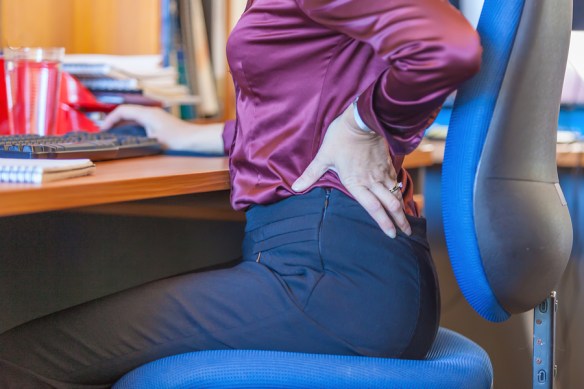
You’ve got a sore back or headache. Pain is your body’s way of sending out an SOS. If you’ve developed a headache or backache, it’s likely you’ve been sitting too long.

If you’ve noticed these symptoms, you’re not alone. The average person is sedentary for 21 hours every day. To calculate your time spent sitting at work, use this helpful  Sitting Calculator from juststand.org.

How to Maintain Your Electronic Devices


Your computer and mobile run the gauntlet every day. When a machine works that hard for you, it’s important to take care of it. Not only are these items expensive to replace, but replacing your equipment and transferring information can be time-consuming. It can also lead to lost files and contacts.

Electronic Device Maintenance

So how do you keep your equipment running like new?

Delete. A maxed out hard drive can be slow and temperamental. Don’t burden your computer by overloading it with old files. When files become obsolete, delete them. Here’s our guide to get you started.

Clean. You’ve probably seen it: the laptop, owned by a colleague or family member, that’s a forest of dust, encrusted with last week’s lunch. Don’t let your electronics fall to the wayside; clean your gadgets regularly with screen cleaner and an air duster.

Back up. Hard drives do not have unlimited space, so your best bet is keeping a carbon copy of your most cherished files. That way, if an unfortunate glitch or loss occurs, you can restore your electronics to their former glory. Bonus, this is a great opportunity to see what’s sitting on your hard drive, and delete what’s no longer needed. Here’s how to properly backup your files.

Use a mouse pad. We live compact lives, but some ‘extras’ are important. If you want that mouse to live a long life, put a pad under it. Scratching the bottom of your equipment across the desk surface is a good way to shorten its life.

Use a phone case. This seems like a no-brainer, but some people don’t protect this expensive, essential item. Look for a case that can withstand a tall drop, with raised edges along the screen to prevent cracking.

When it doubt, get service. By sweating the seemingly small stuff, like antivirus updates and minor glitches, you’ll prevent major problems. If your laptop keeps shutting down or your cell phone isn’t functioning at full capacity, take it in for service.

Treadmill Desks? See What the Buzz is All About


We’ve been discussing the impacts of prolonged sitting at work for some time now. While sit & stand desks and desk accessories have become imperative to helping people balance out their daily sit & stand routine, treadmill desks are not as popular but they are a viable option for those seeking to take their activity at the office to the next level.

Treadmill Desk Buzz

Here are some of the benefits of using a treadmill, according to a LifeSpan article:

Improves Mood & Reduces Stress

Exercise is a great way to release stress, whether work or non work related. Physical activity triggers our body to release endorphins which help us get into a positive mood. It can also help to reach your fitness goals since we spend majority of our day at work!

Fuels Creativity

A study conducted by Standford University; volunteers completed tasks while sedentary and while walking on a treadmill at a slow pace. On average, the volunteers using a treadmill were able to come up with 60% more different uses for their tasks compared to sitting. Creativity & exercise all in one!

Productivity Boost

Another study was done by University of Minnesota that indicated an increase in productivity and health for treadmill desk users. While there may be perceptions of the ability to walk a treadmill and focus could be difficult, this study suggests otherwise.

Promotes a Healthy Body

The “no brainer” here – walking helps us burn calories and stay in shape. So instead of waiting for the lunch break or the evening to take a stroll, you could get your steps in while working!

Lowers Blood Pressure

Walking (even at a light pace) helps increase blood flow which helps lower blood pressure. This is a huge health benefit for anyone suffering (or looking to prevent) high blood pressure.

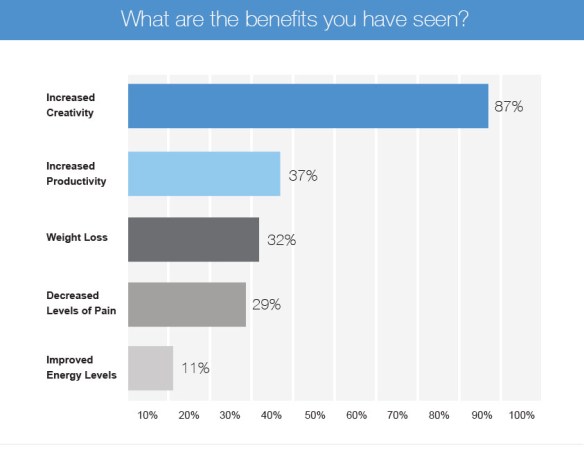
Below you will find a response to a LifeSpan survey showing what type of improvement people saw by using the treadmill desk on an average of less than two hours a day:

Treadmill Desks Survey

Source: LifeSpan

There are even actual reviews of first experiences, like the one below:

http://www.youtube.com/watch?v=u0JF6XPZDuI

The research and early adopters seem to be fairly satisfied with using a treadmill desk. Is this something that your workplace is considering for some of its employees? Would you consider walking at your desk?